
Preventive Measures to Ensure Safe Arrival of Your Belongings During a Long-Distance Move
Moving to a new home brings many exciting changes to your life. However, before settling into your new place, it’s important to ensure an organized transition. You want to know your belongings will arrive in excellent condition, something that can be worrisome, especially with expensive or fragile items like furniture.
Fortunately, taking preventive measures can make all the difference.
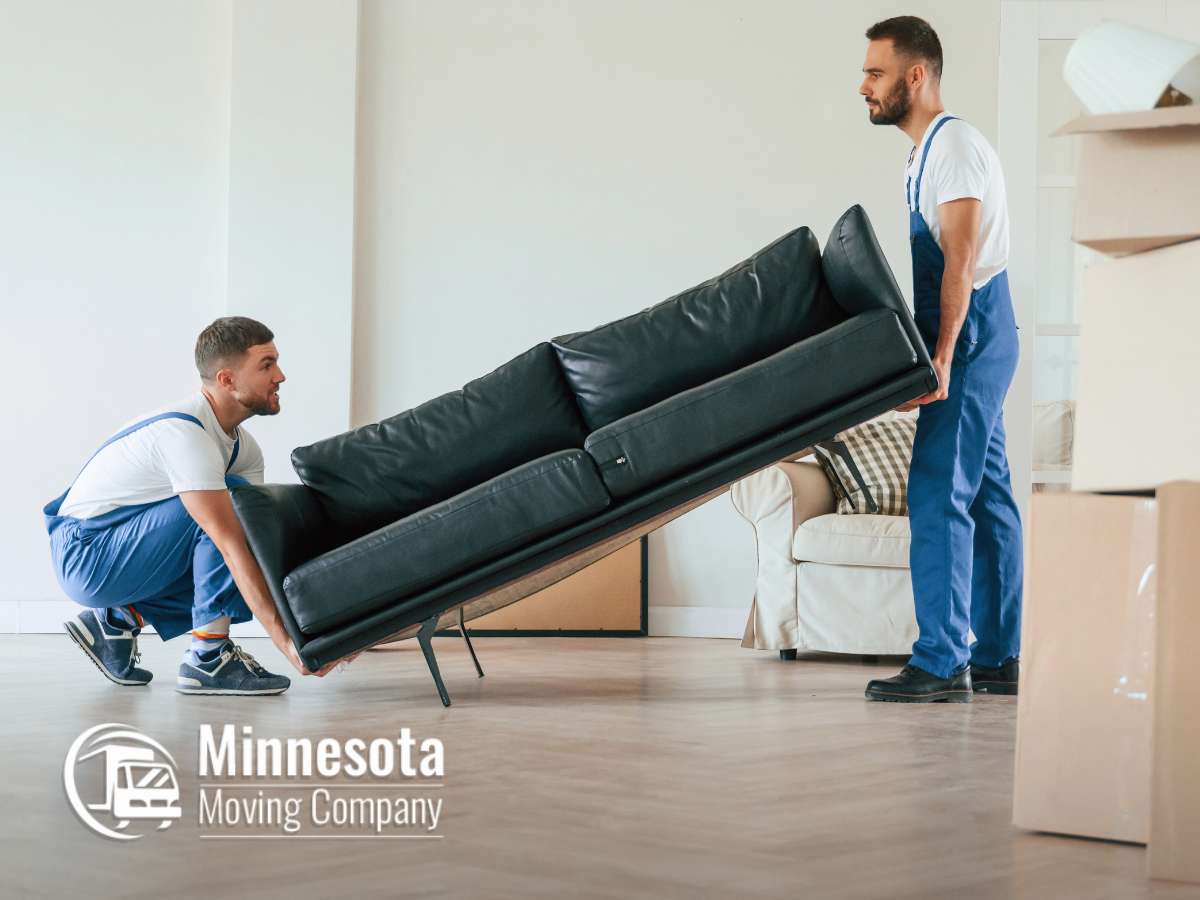
Tips To Keep Your Furniture Safe
Here we’ll share tips on how to protect your furniture from different kinds of damage during a move, so everything arrives in perfect condition and you can simply focus on enjoying your new space.
1. Plan Ahead & Get Organized
Before you start packing or lifting, take the time to plan your move carefully. Make an inventory of all your furniture and note which pieces are most fragile or valuable. This helps you prepare the right materials and know which items need extra care.
If you’re hiring professionals, share this list with your movers. For example, our movers in Minneapolis will appreciate the details, as it allows them to bring the proper tools, wrapping materials, and loading equipment for each item. Good organization from the start means fewer surprises on moving day!
2. Clean & Prepare Each Piece
Dust and dirt might not seem like a big deal, but they can easily scratch wood or stain upholstery during a move. Before wrapping anything, wipe down hard surfaces with a soft cloth and mild cleaner. For fabric furniture, vacuum thoroughly and remove crumbs or pet hair from corners and seams.
If any furniture pieces have detachable parts, like removable cushions, handles, or table legs, take them off and pack them separately. Keep screws and bolts in clearly labeled plastic bags so reassembly at your new home will be simple.
3. Measure Doorways, Hallways, & Furniture
Before moving day, measure both your furniture and the spaces it will need to pass through. This includes doorways, hallways, staircases, and elevator entrances. Nothing is more frustrating than realizing your sofa won’t fit through the door after hours of effort!
After all, knowing the dimensions allows you to anticipate what’s ahead. For example, you’ll know whether certain items need to be disassembled or not. That way, when the movers arrive, you’ll know exactly where each piece belongs, saving time and unnecessary lifting.
4. Clear a Safe Path Before Moving
A cluttered path can quickly lead to accidents. Before moving furniture, walk the route from each room to the truck and remove obstacles. Secure or roll up rugs, hold open doors, and check for tripping hazards. If your home has narrow hallways or tight corners, consider removing doors from their hinges to give yourself extra room.
For example, professional moving services in Minnesota often perform this step as part of their preparation, ensuring smooth and safe loading without unnecessary bumps or scratches along the way.
5. Disassemble Large Items When Possible
Disassembling large or bulky pieces reduces the risk of damage and makes handling easier. Beds, dining tables, and sectionals are usually worth taking apart. Always use the right tools and avoid forcing any parts that seem stuck. Remember, handling everything gently can help prevent scratches, dents, or even breakage.
If your furniture includes glass elements, such as cabinet doors or tabletops, remove them and wrap each piece in thick padding. For extra protection, consider using mirror boxes or foam sheets designed for fragile materials.
6. Use the Right Packing & Protective Materials
Using the right materials is one of the most effective ways to protect your furniture. Moving blankets, bubble wrap, and plastic stretch wrap are essentials for a safe relocation.
- Wood furniture: Wrap pieces in moving blankets first, then secure them with plastic wrap. Avoid placing plastic directly against wood for long periods, as moisture can get trapped underneath.
- Upholstered items: Use stretch wrap to cover fabric surfaces completely. This keeps out dust and moisture while preventing tears.
- Glass and mirrors: Apply painter’s tape in an “X” pattern to the surface before wrapping. This can help contain glass fragments if breakage occurs. Always transport glass upright, never flat.
If you’re using packing services in Minnesota, professional packers will typically bring all these materials and ensure each item is padded and wrapped correctly.
7. Use Proper Moving Equipment
Moving heavy furniture without the right tools can be dangerous and cause damage, not only to your property but also to your health. Here’s what you’ll need:
- Furniture dollies: Ideal for moving large dressers, bookcases, or appliances with minimal strain.
- Lifting straps: These distribute weight evenly and make it easier to carry heavy items up or down stairs.
- Sliders: Perfect for sliding heavy pieces over hardwood or tile floors without leaving scratches.
For instance, if you decide to work with long distance movers in Minnesota, they’ll bring these tools and know exactly how to use them to prevent damage during transport.
8. Keep Your Floors & Walls Safe
Protecting your furniture is important, yes. But it’s also essential to take care of your floors and walls to prevent permanent damage, both in the home you’re leaving and the one you’re moving into. Use floor runners or old blankets to prevent scratches and dents while moving large items. Corner guards can be useful to protect painted walls and door frames.
When loading or unloading the truck, make sure furniture doesn’t scrape against the truck’s metal walls or door edges. Even a small bump can leave a noticeable mark.
9. Load Furniture Securely in the Moving Truck
Once your furniture is wrapped and ready, loading it properly into the truck is crucial. Heavy items should go in first to create a stable base, followed by lighter or more delicate pieces. Distribute the weight evenly across the truck to avoid shifting during transport.
Use tie-down straps or ropes to secure furniture in place. This is especially important for long-distance moves, where sudden stops or sharp turns can cause items to shift. For example, fragile pieces like glass tables or mirrors should always be placed upright and padded with blankets or foam.
10. Consider Storage Solutions if Needed
If your move involves temporary storage, make sure your furniture is clean, dry, and properly wrapped before placing it in a unit. Climate-controlled storage is best for wooden, leather, or fabric items, as it helps prevent warping, mold, and mildew.
For example, storage services in Minnesota can be a great solution if you need a safe place for your furniture before moving into your new home. Always stack heavier items at the bottom and use padding between pieces to avoid pressure marks.
11. Check Your Furniture Once You’ve Moved In
The only way to know if your furniture is still in excellent condition is to inspect it after the moving process. It’s highly recommended to take detailed photos or videos of your furniture beforehand, since there might be some scratches that were already there before the move.
If you notice a small scratch, you can use wood wax or touch-up markers. They’ll likely fix the issue. Once that’s done, you’ll be ready to settle into your new place!
Smooth Moves Start with the Right Team
All these practical tips are helpful for understanding the basics of protecting your furniture during a move. However, in most cases, it’s not a good idea to handle everything on your own, especially if you have a lot to move.
If you want a stress-free experience and complete confidence that your belongings will arrive safely and on time at your new location, the best thing you can do is trust a professional Minnesota’s moving team like ours.
At Minnesota Moving Company, we have years of experience providing reliable moving services. Contact us today!